How Do Board Game Cafes Work? Costs, Etiquette, and Tips
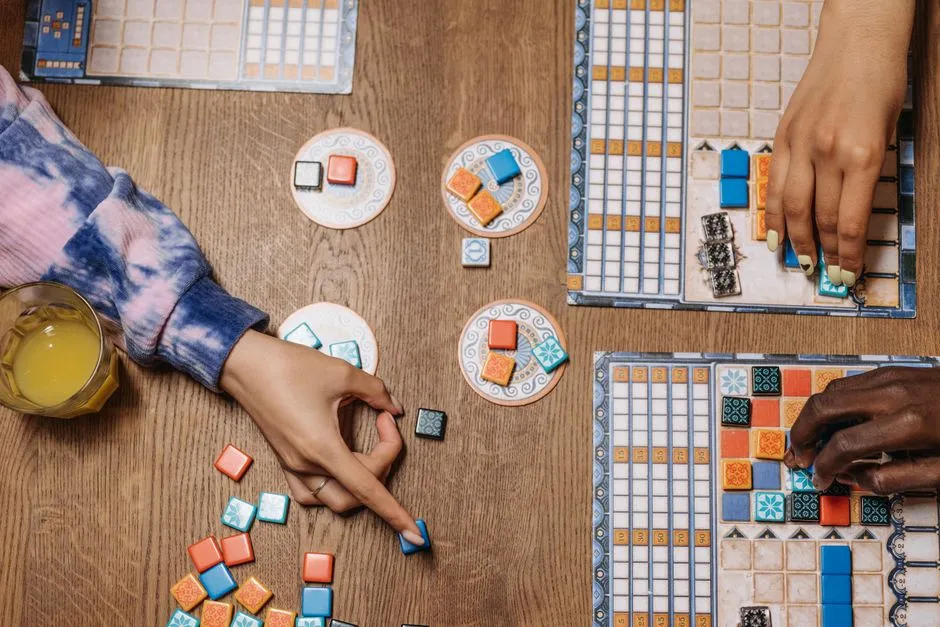
How Do Board Game Cafes Work?
A board game cafe is a cafe or restaurant with a large lending library of board games — often several hundred titles — that guests can play at their table. You typically pay a small table fee (a flat cover charge or an hourly rate), order food and drinks like at any cafe, and borrow as many games from the shelves as you like during your visit. Staff, often called "game gurus," help you pick a game and can teach the rules so you don't spend your evening reading a rulebook.
That's the short version. The longer version — how the fees actually work, what a first visit looks like, and the unwritten rules of sharing a room with strangers and their meeples — is what the rest of this guide covers.
What Is a Board Game Cafe, Exactly?
Think of it as a cross between a coffee shop and a library. The cafe half is familiar: tables, a menu, espresso machines, usually beer and snacks, sometimes a full kitchen. The library half is the draw: shelves of board games organized for browsing, free to borrow while you're there.
The format took off in the 2010s and has since spread to most major cities in North America, Europe, and Asia. Some venues lean cafe-first (good food, games as the entertainment), others lean game-store-first (a retail shop with play space attached). Both run on the same basic idea: you're paying for time at a table with access to a huge game collection, and the food and drink keep the evening comfortable.
What a board game cafe is not:
- Not a game store, primarily. Many do sell games, but the core business is play space. You don't need to buy anything off the shelf.
- Not a private club. Almost all are open to walk-ins. You don't need to be a "gamer," know any rules, or bring your own games.
- Not a kids-only space. Most cafes skew toward adults and groups of friends, especially in the evenings, though many are family-friendly during the day.
Do You Pay to Play? Common Pricing Models
Yes, at most board game cafes there is some kind of charge for playing — that's what funds a library of hundreds of games and the staff who maintain and teach them. But the model varies a lot from venue to venue, which is why "do you pay a cover?" is the single most common first-timer question.
Here are the models you're most likely to encounter:
| Pricing model | How it works | What to watch for |
|---|---|---|
| Flat cover charge | One fee per person for unlimited play, often for the whole day or evening | The most common model; usually a modest per-person amount |
| Hourly rate | You pay per person, per hour at the table | Great for short visits; can add up on a long night |
| Minimum spend | No cover, but each guest must order a minimum amount of food or drink | Easy if you were going to order anyway |
| Free play with purchase | Games are free as long as you're a paying cafe customer | Common at cafes where games are a side offering |
| Membership or pass | A monthly or annual fee covers your table time | Only worth it if you'll visit regularly |
A few practical notes on paying:
- Fees are per person, not per table, at most venues. Budget accordingly for a big group.
- Exact amounts vary widely by city and venue, and they change. Check the cafe's website or call before you go — most list their fee structure clearly.
- Weekends and evenings may differ from weekday afternoons. Some cafes drop or reduce the fee during slow hours, or raise it during peak times.
- Events are often priced separately. Trivia nights, tournaments, and learn-to-play sessions may have their own ticket price.
The honest math for a typical evening: cover charge plus a drink and a snack per person usually lands in the same territory as a movie ticket with popcorn — for three or four hours of entertainment instead of two.
What a Typical Visit Looks Like
If you've never been, here's the usual flow from door to dice:
- Arrive and get a table. Walk-ins are standard at most cafes; busy weekend evenings may mean a short wait. Larger groups often benefit from reserving ahead if the venue takes reservations.
- Pay the cover or start a tab. Depending on the model, you'll pay the fee up front, have it added to your bill, or simply order food and drink.
- Browse the library. Games are usually shelved by category, player count, or complexity. Many cafes label shelves or keep a catalog so you can search by "2 players, 30 minutes, easy to learn."
- Ask for a recommendation. This is the superpower of the format. Tell the staff your group size, how much time you have, and whether anyone is new to gaming — they'll pull two or three good options. If your group has never played modern board games, starting with proven beginner-friendly games makes the night far smoother.
- Get a rules teach. At many cafes, staff will teach the game at your table in a few minutes — dramatically faster than reading the rulebook cold.
- Order food and drink as you play. Menus range from coffee-and-pastries to full dinner-and-beer. Keep drinks off to the side of the board; more on that below.
- Return games and settle up. Bring the game back to the shelf or return desk when you're done — box the pieces properly first — and swap it for another as many times as you like.
Most groups get through two to four games in an evening, depending on length. There's no pressure to play continuously; part of the appeal is that conversation, food, and games flow together.
The Game Library: What's on the Shelves
A well-run cafe library covers the whole spectrum:
- Classics — chess, backgammon, Scrabble, playing cards — for the comfort-food crowd.
- Party games — Codenames, Telestrations, Wavelength and their kin — for big or loud groups.
- Modern "gateway" games — Ticket to Ride, Catan, Azul, Carcassonne — the standard on-ramp for new players.
- Heavier strategy games — longer, deeper titles for experienced groups who want to sink a whole evening into one box.
- Two-player games — a shelf that makes cafes a genuinely good date spot.
You borrow games one at a time, play them at your table, and return them when finished. Some cafes ask you to check games out with staff; others let you browse freely. If a piece goes missing or a component breaks, tell the staff — accidents happen and they'd rather know than discover an unplayable game later.
Etiquette: The Short Version
Shared games and shared space come with a light social contract. The essentials:
- Keep drinks away from the board. Spills are the number-one hazard to a library game. Most cafes design tables with drink rails or side tables for exactly this reason.
- Return games complete and boxed properly. Count the pieces back in if the game had a rough session.
- Clean hands, clean cards. Order the fries between games, or use a fork.
- Watch your volume. Celebrate wins — that's part of the fun — but the table next to you is mid-game too.
- Don't hover or backseat-game. If another table is playing something you love, resist narrating their mistakes.
- Respect table time when it's busy. If there's a wait and you've been camped for hours, be gracious about wrapping up.
That's the condensed version — our full guide to board game cafe etiquette goes deeper on all of it, including the situations nobody warns you about, like joining open tables and handling rules disputes with strangers.
Tips for Your First Visit
A handful of things regulars know that first-timers usually don't:
- Go at an off-peak time. A weekday afternoon or early evening means more staff attention, your pick of tables, and a calmer first experience than a packed Saturday night.
- Check the fee model before you go. Thirty seconds on the cafe's website tells you whether it's a cover charge, hourly rate, or minimum spend — no surprises at the register.
- Tell staff you're new. Game gurus love teaching first-timers, and they'll steer you away from games that punish inexperience.
- Start shorter than you think. Two 45-minute games beat one three-hour epic for a first visit. You can always escalate.
- Ask about player count sweet spots. Many games technically support five players but play best with three. Staff know the difference.
- Bring your regular group — or come alone. Many cafes run open game nights or have community tables where solo visitors get matched into groups. Ask what the venue offers.
- Confirm details directly with the venue. Hours, fees, reservation policies, and menus change frequently, and every cafe sets its own rules.
Can You Bring Your Own Games, Food, or Group?
Three questions that come up constantly:
Your own games: usually yes — most cafes are happy to have you play games you bring, since you're still paying the cover or ordering food. If you're demoing a game to sell or running a large private event, ask first.
Outside food and drink: almost always no. Food and beverage sales are how most of these businesses actually survive; the cover charge alone rarely does it.
Big groups and events: most cafes welcome them and many take reservations, host birthday parties, or rent private rooms. Call ahead for anything over six people. And if you fall in love with the format, the natural next step is bringing it home — our guide to hosting your own game night covers how to recreate the best parts of the cafe experience in your living room.
The Bottom Line
Board game cafes work on a simple trade: a small fee buys you hours at a table with a game library you could never own yourself, plus staff who eliminate the worst part of board gaming — learning rules from a manual. Pay the cover, order a coffee, ask for a recommendation, and treat the games like they belong to everyone, because they do. It's one of the cheapest great nights out available, and the only real risk is that you'll leave with a list of games you now want to buy.